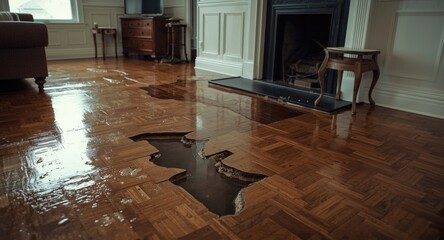
Water damage can happen when you least expect it, turning an ordinary day into a stressful experience. Whether it starts with a leaking pipe, an overflowing appliance, or severe weather, unwanted water can quickly spread throughout a home and affect floors, walls, ceilings, and personal belongings. While the damage may seem overwhelming at first, understanding the restoration process can make the situation feel much more manageable. Knowing what happens after water damage occurs helps homeowners understand why every step is essential for protecting their property.
Water Damage Restoration Salt Lake City process is designed to remove water, dry affected areas, clean contaminated surfaces, and restore the property to its original condition whenever possible. Each stage builds on the previous one to ensure that moisture is thoroughly eliminated and repairs are completed correctly. By following a structured restoration process, homeowners can reduce long term damage and improve the chances of saving valuable materials. Learning how the process works also highlights the importance of acting quickly after water damage is discovered.
Inspecting and Assessing the Damage
The first step in the water damage restoration process is a complete inspection of the affected property. This evaluation helps determine where the water originated, how far it has spread, and which materials have been impacted. Water can travel behind walls, beneath flooring, and into ceilings, making a careful assessment essential even when the visible damage appears limited. Identifying every affected area allows the restoration process to be planned accurately. A thorough inspection provides the foundation for successful restoration.
During the assessment, the severity of the water damage is carefully evaluated to determine the appropriate restoration approach. Moisture levels in floors, walls, and other building materials are measured to identify hidden water that may not be visible. This information helps prioritize which areas require immediate attention. The inspection also helps determine whether certain materials can be restored or need replacement. Careful planning during this stage improves the overall efficiency of the restoration process.
Removing Standing Water
Once the inspection is complete, the next priority is removing all standing water from the property. Water extraction is one of the most important stages because the longer water remains, the greater the potential for damage to building materials and personal belongings. Fast removal helps minimize additional absorption into floors, walls, cabinets, and furniture. Reducing the amount of standing water also prepares the property for the drying stage that follows. Prompt extraction helps limit the overall impact of the incident.
Even after visible water has been removed, some moisture often remains trapped in porous materials. Carpets, wood flooring, drywall, and insulation can retain significant amounts of water beneath the surface. Removing as much water as possible during this stage shortens the drying process and improves the chances of restoring affected materials. Efficient water extraction plays a major role in preventing further damage while supporting the success of the remaining restoration steps.
Drying and Dehumidifying the Property
After standing water has been removed, the drying process begins. This stage focuses on eliminating moisture that remains inside walls, flooring, ceilings, cabinets, and other structural materials. Air movement and humidity control work together to gradually remove trapped moisture from the property. Thorough drying is essential because surfaces that appear dry may still contain hidden moisture beneath them. Proper drying helps protect the home’s structure while reducing the risk of future damage.
The drying process requires careful monitoring to ensure moisture levels continue to decrease throughout the property. Different building materials dry at different rates, so regular measurements help determine when each area has reached appropriate moisture levels. Rushing this stage may leave hidden moisture behind, leading to additional repairs later. Patience during drying contributes to a more successful restoration outcome. Completing this step properly provides a stable foundation for the remaining restoration work.
Cleaning and Sanitizing Affected Areas
Once the property has been thoroughly dried, attention turns to cleaning and sanitizing the affected areas. Water can leave behind dirt, residue, and unpleasant odors that should be addressed before repairs begin. Cleaning helps restore the appearance of surfaces while removing contaminants that may have entered with the water. Sanitizing further improves cleanliness and creates a healthier indoor environment. This stage is especially important when water has affected multiple rooms or entered from outdoor sources.
Odor removal is often included during the cleaning stage because lingering smells can remain even after surfaces appear dry. Thorough cleaning helps eliminate these odors while improving overall indoor comfort. Personal belongings that can be safely restored may also be cleaned and treated during this phase. Careful attention to detail ensures that both the property and its contents receive the necessary care. A clean environment prepares the home for the final restoration stage.
Repairing and Restoring the Property
After the property has been cleaned and dried, repairs begin to restore the home to its original condition. Minor repairs may include replacing sections of drywall, repairing trim, repainting walls, or installing new flooring where necessary. More extensive projects may involve rebuilding larger sections of the property if severe water damage occurred. The extent of the repairs depends on how much damage the water caused before restoration began. Restoring the property completes the recovery process and allows homeowners to return to normal living conditions.
The restoration stage focuses not only on appearance but also on structural integrity. Proper repairs ensure that the home remains safe, functional, and visually appealing. Every repaired area should blend naturally with the surrounding structure so the finished result looks consistent throughout the property. Quality restoration helps preserve the value of the home while improving long term durability. Completing repairs carefully provides homeowners with confidence that their property has been fully restored.
Preventing Future Water Damage
Although restoration returns a property to good condition, preventing future water damage remains equally important. Regular inspections of plumbing systems, roofs, appliances, and drainage systems help identify small issues before they become larger problems. Replacing worn hoses, repairing leaks promptly, and keeping gutters clear all contribute to reducing the risk of future water intrusion. Preventive maintenance often saves homeowners both time and money by avoiding costly restoration projects later.
Homeowners should also remain alert for early warning signs such as water stains, peeling paint, musty odors, or unexpected increases in water bills. These indicators may suggest hidden leaks that require immediate attention. Addressing problems early helps prevent extensive water damage from developing over time. Consistent maintenance protects both the property and the investment made in it. Prevention is one of the most effective ways to reduce the likelihood of future restoration needs.
Final Thoughts
The water damage restoration process involves a series of carefully planned steps that work together to restore a property after water intrusion. From the initial inspection and water extraction to drying, cleaning, repairs, and ongoing prevention, every stage plays an essential role in achieving lasting results. Acting quickly after discovering water damage helps reduce the extent of the damage and improves the chances of restoring affected materials. Thorough restoration not only improves the appearance of the home but also helps protect its structure and long term value. Understanding the restoration process allows homeowners to respond confidently and make informed decisions when unexpected water damage occurs.