Owning a home with a septic system comes with important maintenance responsibilities, and one of the most essential tasks is regular septic tank cleaning. While many homeowners recognize that cleaning helps keep the system operating efficiently, some wonder whether it is truly necessary or if it can be postponed to save money. Like any maintenance service, septic tank cleaning has both advantages and considerations that should be understood before creating a long-term maintenance plan.
Evaluating the septic tank cleaning pros and cons allows homeowners to make informed decisions that protect their property and avoid unnecessary expenses. A better understanding of the process from The Septic Guys helps homeowners recognize why preventive maintenance is generally recommended over reactive repairs.
What Is Septic Tank Cleaning?
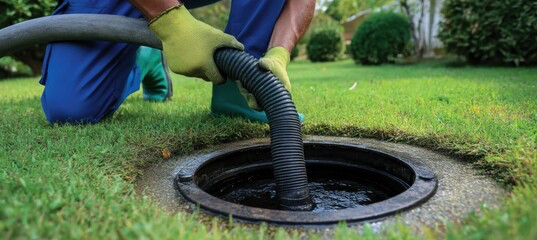
Septic tank cleaning is the process of removing accumulated sludge, scum, and wastewater from a septic tank using specialized equipment. As wastewater enters the tank, heavy solids settle at the bottom while grease and lighter materials float to the surface. Between these layers, partially treated wastewater flows into the drain field for additional filtration. Over time, the sludge and scum layers continue to grow until they begin reducing the tank’s available capacity. Cleaning removes these materials and restores normal operating conditions.
Many people confuse septic tank cleaning with septic pumping because both involve removing waste from the tank. In many situations, the services are performed together, although some cleaning appointments may include a more detailed inspection of the tank and its components. During maintenance, technicians can evaluate the condition of the system and identify potential concerns before they become major repairs. Routine service provides valuable information about the overall health of the septic system. Preventive maintenance helps support reliable long-term performance.
What Are the Pros of Septic Tank Cleaning?
The biggest advantage of septic tank cleaning is that it helps maintain efficient wastewater treatment. Removing accumulated sludge gives the tank enough space to separate solids, grease, and liquid waste as designed. This reduces stress on the drain field and helps wastewater flow through the system more effectively. A properly maintained septic tank is less likely to experience slow drainage, unpleasant odors, or sewage backups. Regular cleaning also supports the beneficial bacteria that naturally break down organic waste inside the tank.
Another important benefit is the potential for significant long-term savings. Routine cleaning helps prevent expensive repairs that may result from neglected maintenance, including clogged drain fields, damaged pipes, and septic backups inside the home. Scheduled maintenance also provides opportunities to identify worn or damaged components before they fail completely. Small repairs are often much more affordable than replacing major sections of the septic system. Preventive care protects both the system and the homeowner’s budget.
What Are the Cons of Septic Tank Cleaning?
The primary disadvantage of septic tank cleaning is the ongoing maintenance cost. Homeowners must schedule regular service based on household size, tank capacity, and wastewater usage, even if the system appears to be functioning normally. Although the cost is generally manageable, some homeowners may view routine maintenance as an unnecessary expense when no obvious problems exist. However, postponing service often increases the likelihood of more expensive repairs later. Maintenance should be viewed as an investment rather than an avoidable cost.
Another consideration is the temporary inconvenience associated with scheduling the service. Technicians require access to the septic tank, which may involve locating buried access lids or moving outdoor furniture, landscaping materials, or vehicles. During the appointment, homeowners may notice minor odors around the tank while waste is being removed. Fortunately, these inconveniences are typically short-lived and disappear once the service is complete. Most cleaning appointments are completed efficiently with minimal disruption to daily life.
How Does Regular Cleaning Compare With Waiting Until Problems Occur?
Waiting until problems appear may seem like a way to save money, but it often leads to greater expenses in the long run. As sludge continues accumulating inside the septic tank, wastewater has less room to separate properly before entering the drain field. This increases the risk of solid waste leaving the tank and clogging the soil where wastewater should be safely filtered. Once drain field damage occurs, repairs can become complex and costly. Preventive maintenance greatly reduces this risk.
Routine cleaning allows homeowners to address small concerns before they become emergencies. Technicians can identify cracked lids, damaged baffles, excessive sludge accumulation, or other developing issues during scheduled maintenance visits. Early detection often allows repairs to be completed before they affect the rest of the septic system. Emergency service usually costs more than planned maintenance and may require immediate repairs under stressful conditions. Regular care provides greater peace of mind.
How Does Septic Tank Cleaning Protect the Drain Field?
One of the greatest long-term benefits of septic tank cleaning is protecting the drain field from unnecessary damage. The drain field is responsible for filtering partially treated wastewater after it leaves the septic tank. When excessive sludge enters the drain field, it can block the surrounding soil and reduce its ability to absorb wastewater effectively. This may result in standing water, sewage odors, or complete drain field failure. Keeping solids inside the septic tank protects this important part of the system.
Replacing a damaged drain field is often one of the most expensive septic repairs a homeowner can face. Excavation, soil replacement, and system reconstruction may all be required depending on the extent of the damage. Routine cleaning significantly reduces the chance of these costly failures by maintaining proper waste separation inside the tank. Protecting the drain field extends the lifespan of the entire septic system. Preventive maintenance supports long-term reliability.
How Can Homeowners Maximize the Benefits of Septic Tank Cleaning?
Regular cleaning delivers the greatest value when combined with responsible everyday septic system habits. Conserving water helps prevent the septic tank from becoming overloaded before solids have time to settle properly. Repairing plumbing leaks, spacing out laundry loads, and using water-efficient fixtures all reduce unnecessary stress on the system. Responsible water use supports healthy wastewater treatment inside the tank. Small adjustments can make a noticeable difference over time.
Proper waste disposal is equally important for maintaining septic system performance. Cooking grease, disposable wipes, paper towels, hygiene products, and other non-biodegradable materials should never be flushed because they increase sludge accumulation and may cause blockages. Limiting harsh chemical cleaners also helps preserve the beneficial bacteria responsible for breaking down waste naturally. Combining good household habits with scheduled cleaning creates the best conditions for long-term septic system health. Consistent care helps maximize the return on every maintenance visit.
Is Septic Tank Cleaning Worth It?
For most homeowners, the advantages of septic tank cleaning far outweigh the temporary inconveniences and routine maintenance costs. Regular service helps preserve system performance, reduce emergency repairs, protect the drain field, and extend the life of the septic tank. Although cleaning requires periodic scheduling and financial planning, it remains one of the most cost-effective ways to maintain a private wastewater system. Preventive maintenance supports reliable operation for many years. The long-term benefits generally exceed the short-term commitment.
Homeowners who consistently maintain their septic systems often experience fewer plumbing problems and lower overall ownership costs. A well-maintained septic system also contributes to property value by demonstrating responsible maintenance and reducing concerns about hidden wastewater issues. Investing in regular cleaning helps protect both the home’s infrastructure and the surrounding environment. Reliable maintenance provides lasting value throughout the life of the system. Consistency is the key to long-term performance.
Final Thoughts
Understanding the septic tank cleaning pros and cons helps homeowners make informed decisions about maintaining their wastewater systems. While routine cleaning involves periodic costs and minor inconvenience, the benefits include improved performance, fewer repairs, drain field protection, longer system life, and greater peace of mind. Waiting until problems develop often results in significantly higher repair expenses and unnecessary disruption. By following a regular maintenance schedule and practicing responsible septic system care, homeowners can protect their investment while keeping their wastewater system operating efficiently for many years.