Author: Ruth Moyer

What Are the Best Pest Control Options for Protecting Your Property?

Pests can quickly turn a comfortable home or productive workplace into a source of frustration. Insects, rodents, and other unwanted pests may damage property, contaminate food, spread bacteria, and create health concerns if left untreated. Fortunately, modern pest management offers a variety of solutions that address different types of infestations while helping prevent future problems.

From preventive treatments and exclusion methods to targeted applications and ongoing monitoring, homeowners have more choices than ever before. Understanding the available Port St Lucie Pest Control options makes it easier to select an approach that provides effective, long-term protection for any property.

What Are Pest Control Options?

Pest Control

Pest control options refer to the different methods used to prevent, manage, or eliminate unwanted pests from residential and commercial properties. The right solution depends on several factors, including the type of pest, the severity of the infestation, the size of the affected area, and the property’s unique conditions. Some methods focus on preventing pests from entering in the first place, while others are designed to eliminate active infestations quickly and efficiently. Every pest management strategy should be tailored to the specific situation. Choosing the appropriate option improves both effectiveness and long-term results.

No single treatment works for every pest or every property. Ants, termites, rodents, cockroaches, mosquitoes, bed bugs, and spiders each require different approaches because they have unique behaviors and nesting habits. Successful pest management often combines multiple treatment methods rather than relying on a single solution. A customized plan addresses both the current infestation and the conditions that allowed pests to become established. Comprehensive strategies typically provide the most reliable protection.

What Preventive Pest Control Options Are Available?

Preventive pest control is one of the most effective ways to reduce the likelihood of future infestations. Routine inspections allow property owners to identify potential entry points, moisture issues, food sources, and other conditions that may attract pests before they become a serious problem. Addressing these concerns early often prevents costly damage and minimizes the need for extensive treatments later. Prevention focuses on creating an environment that is less appealing to unwanted pests. Regular maintenance plays a significant role in long-term protection.

Exclusion is another valuable preventive option that involves sealing cracks, repairing damaged screens, installing weather stripping, and closing other openings where pests may enter. Proper sanitation also supports prevention by eliminating food crumbs, standing water, and clutter that provide ideal conditions for insects and rodents. Maintaining landscaping and trimming vegetation away from buildings further reduces opportunities for pests to nest near the structure. Small preventive improvements often provide substantial long-term benefits. Consistent attention helps maintain a pest-resistant environment.

What Treatment Options Are Used for Active Infestations?

When pests have already established themselves, targeted treatment options are often necessary to eliminate the infestation. Depending on the pest involved, treatments may include carefully applied products designed to reduce pest populations while focusing on affected areas. Professional treatment plans are typically developed after a thorough inspection to ensure the most appropriate solution is selected. Targeted applications improve efficiency by concentrating treatment where it is needed most. Proper identification is essential for successful pest removal.

Mechanical pest control methods also remain valuable for active infestations. Traps, bait stations, physical barriers, and manual removal techniques help control rodents and certain insect populations without relying solely on chemical treatments. These methods are frequently combined with sanitation improvements and exclusion strategies to reduce the likelihood of pests returning. A combination of approaches often provides more dependable long-term results. Integrated treatment plans address both immediate and future concerns.

How Does Integrated Pest Management Improve Results?

Integrated Pest Management, commonly known as IPM, combines prevention, monitoring, inspection, sanitation, exclusion, and targeted treatment into a comprehensive pest management strategy. Rather than depending exclusively on one method, IPM seeks to understand why pests are present and how they can be prevented from returning. This balanced approach often reduces unnecessary treatments while improving overall effectiveness. Long-term solutions are emphasized over temporary fixes. Careful planning supports lasting pest control.

One of the key advantages of Integrated Pest Management is its focus on continuous monitoring. Regular inspections allow pest activity to be detected early before infestations become widespread. Property owners can then respond with targeted measures that address specific problems while maintaining preventive practices throughout the year. Ongoing monitoring creates a proactive rather than reactive approach to pest management. Consistency is essential for maintaining effective control.

Which Pest Control Options Work Best for Common Household Pests?

Different pests require specialized treatment options because their behaviors and habitats vary significantly. Termites often require treatments that target hidden colonies within structural wood or surrounding soil, while ant infestations typically involve locating nests and eliminating the colony’s food sources. Cockroach management frequently combines sanitation improvements with targeted treatments and exclusion measures. Tailoring the solution to the specific pest greatly improves treatment success. Proper diagnosis leads to more effective management.

Rodent control usually combines trapping, exclusion, habitat modification, and sanitation to eliminate current activity while preventing future infestations. Mosquito management often includes reducing standing water, improving drainage, and addressing breeding areas around the property. Bed bugs typically require specialized treatment strategies because of their ability to hide in furniture, bedding, and narrow cracks throughout the home. Every pest presents unique challenges that benefit from carefully planned solutions. Customized treatment remains one of the most effective approaches.

What Should Homeowners Consider When Choosing Pest Control Options?

Before selecting a pest control option, homeowners should first identify the type of pest they are dealing with and evaluate the extent of the infestation. Small localized problems may require different solutions than widespread infestations affecting multiple areas of the property. Understanding the source of the problem allows more informed decisions regarding treatment and prevention. Accurate assessments reduce unnecessary treatments and improve long-term outcomes. A clear understanding of the situation supports better planning.

Property owners should also consider long-term maintenance rather than focusing only on immediate pest removal. Preventive inspections, routine monitoring, proper sanitation, and structural maintenance help reduce the likelihood of recurring infestations. Choosing solutions that combine treatment with prevention often provides greater value than addressing problems only after they become severe. Long-term strategies help maintain healthier living environments throughout the year. Ongoing maintenance contributes to lasting protection.

How Can Professional Pest Control Support Long-Term Protection?

Professional pest control provides valuable expertise in identifying pest species, evaluating infestations, and developing customized management plans based on the property’s unique needs. Experienced technicians understand pest life cycles, nesting habits, and seasonal activity patterns, allowing them to recommend solutions that provide effective results. Their knowledge helps property owners avoid trial-and-error approaches that may waste time and resources. Professional evaluations often uncover hidden problems before they become more serious. Expert guidance supports more successful pest management.

Regular professional inspections also contribute to long-term protection by identifying early warning signs before infestations spread. Ongoing service plans often combine preventive treatments, monitoring, exclusion recommendations, and maintenance strategies that help maintain pest-free environments throughout the year. This proactive approach minimizes disruptions while protecting both property and occupant well-being. Consistent management creates greater peace of mind for homeowners. Long-term partnerships support reliable pest prevention.

Final Thoughts

Choosing the right pest control options begins with understanding the specific pest problem, evaluating the property’s needs, and selecting solutions that provide both immediate relief and long-term protection. Preventive maintenance, exclusion techniques, targeted treatments, Integrated Pest Management, and ongoing monitoring all play important roles in successful pest management. Rather than relying on a single method, combining multiple strategies often delivers the best results while reducing the likelihood of future infestations. By taking a proactive approach and selecting appropriate pest control options, homeowners can protect their property, improve comfort, and enjoy a cleaner, healthier environment throughout the year.


Common Mistakes That Increase Cabinet Refinishing Cost

Cabinet Refinishing San Jose CA

Cabinet Refinishing San Jose CA is a cost-effective way to refresh your cabinets. It is also faster and less disruptive than a full replacement.

However, there are a few things that can increase the overall cost of your project. These mistakes can cause problems with the final result, resulting in expensive repairs or replacements down the road.

1. Not Getting Multiple Estimates

When choosing a contractor for cabinet refinishing or replacement, it’s crucial to get multiple estimates. Prices can vary significantly, especially between locations and contractors with varying experience and skill sets. By gathering quotes, you can find the best value and ensure that your project stays within budget.

In addition to getting a few estimates, it’s also important to check references and reviews before hiring a contractor for any home improvement project. Doing so can help you avoid a bad experience and find someone who will be able to complete your job at a high standard. If possible, try to speak with previous clients about their experiences with the contractor and how well they communicated throughout the project.

Another way to find the right contractor is to search online for local professionals. Sites like Angi (formerly Angie’s List) and Nextdoor often feature listings for skilled tradespeople, as well as local home improvement contractors. Additionally, Facebook Marketplace and local Facebook groups are often used by skilled individuals or small businesses to promote their services, and can be a great resource for finding people who specialize in refinishing and other home improvement projects.

If you’re considering a full kitchen remodel, it’s also worth researching cabinet installation costs. Installing new cabinets can be more expensive than refacing or refinishing because it involves the removal and disposal of existing cabinets as well as installing the new ones. However, it may be the best option if your cabinets are beyond saving through refacing or refinishing, or if you want to make a major change in the layout of your kitchen.

Depending on the materials you choose, cabinet refacing can cost anywhere from $4,300 to $10,000. While it’s more expensive than refinishing, it can offer better durability and a longer-term aesthetic than a simple paint job. In addition, refacing can save you money on remodeling costs by keeping the original cabinet boxes and replacing only the doors and drawer fronts. This can also reduce the need for additional repairs and renovations, such as drywall, flooring, electrical, plumbing, and painting.

2. Not Getting the Right Materials

When it comes to your kitchen, you don’t want to cut corners on a renovation. But, you also don’t want to overspend. Choosing the right materials is key. For example, the cabinets you choose are an important investment, and should provide years of service and value. But, not all cabinet manufacturers are created equal.

While it is tempting to purchase the lowest cost options available, this can be a costly mistake in the long run. Be sure to thoroughly research the different products and brands, paying particular attention to their construction methods and quality control standards. Read reviews, check Better Business Bureau ratings and ask for references. Also, avoid buying “stock” or “ready-to-assemble” (RTA) cabinets from unnamed suppliers without a track record.

It is also crucial to get the right materials when refinishing your cabinets. Using the wrong stain or paint can make your new finish peel or chip prematurely. In addition, the wrong cleaning and maintenance routines can degrade the quality of your cabinet refinishing job over time.

If you wander paint aisles, it’s easy to be misled by the claims on the label. Many people think they can refinish their cabinets with just paint and nothing else, but this is a big mistake. First, you need to prep the surface properly, removing all hardware and carefully sanding everything. Then, you need to prime to ensure the surface is ready for painting and to cover any damage or discoloration. Finally, you must give the paint enough time to dry before applying additional coats.

Refinishing is a much less disruptive and costly option than full replacement, and it can yield a significantly higher ROI. If you take the time to work with a skilled professional and use the best possible materials, it is possible to transform your kitchen into one that will serve your family well for years to come. By sidestepping these common cabinet mistakes, you can create a beautiful space where meals are enjoyed and memories are made.

3. Not Getting the Right Contractor

When it comes to cabinet painting, there are many things that can go wrong if the right steps aren’t taken. That’s why it is important to find a company that specializes in this type of project. It’s also a good idea to ask the company how they prepare their surfaces before painting. You want to make sure they are sanding down any rough areas and completely cleaning the cabinets before painting. This will help ensure a smooth and professional finish.

If the cabinet refinishing is done incorrectly, it can lead to problems like peeling and chipping. This is usually due to the old paint layer not adhering well to the new coats of paint. Other issues that can arise from improper preparation include a sticky or tacky finish, visible brush strokes, and drips. All of these issues can be avoided by hiring a company that takes the time to prepare the surface properly before painting.

In addition to proper prep work, it is also important to make sure that the company is using quality materials. Cheaper materials will often cost more in the long run because they won’t hold up as well. It is also a good idea to check the company’s licenses and insurance before hiring them.

Another mistake that can be costly is replacing the cabinet hardware before refinishing. This can be a huge mistake because it can ruin the look of your entire kitchen. It is also important to consider whether or not the cabinet refinishing is worth it. If the cabinets are in bad shape structurally or need a different layout, it may be more beneficial to replace them altogether. By following these tips, you can avoid some of the most common mistakes that can increase your cabinet refinishing cost.

4. Not Getting the Right Installation

Whether you are getting your cabinets refaced, repainted, or refinished, it’s important to have the right installation. This includes everything from careful measurements to proper surface prep. It is also crucial to have open lines of communication with your contractor and to be sure that all parties are on the same page. Failure to do so can lead to costly mistakes that you may not be able to fix.

Cabinet refacing is a great option for homeowners looking to make major changes in their kitchens without the expense of a complete remodel. However, it is not a perfect solution for everyone and there are some situations where complete cabinet replacement is the best choice. For example, if your existing cabinets are damaged beyond repair or have structural issues, refacing will not solve these problems.

Also, refacing can be difficult if you have custom cabinets or a unique layout. Finally, refacing won’t solve stains or other cosmetic issues that are better addressed with painting or refinishing.

Refinishing is a popular option for many homeowners because it is less expensive than a full replacement and it can be completed in a shorter amount of time. It is also a good option if you have cabinets that are in fairly decent condition but have minor scratches or blemishes.

While refinishing is less expensive than a complete replacement, it is still not an easy DIY project. It requires a lot of time and patience. It is important to properly prepare the cabinets for refinishing to ensure that the finish will adhere well. This includes removing all grease and oil, as well as cleaning the cabinets thoroughly. Additionally, it is important to allow enough time for the cabinets to dry after refinishing.

When it comes to remodeling your home, there are a number of mistakes that can be easily avoided with the right planning and preparation. Making the right choices can save you a lot of money and headaches. By carefully evaluating your options, choosing the right materials and contractors, and creating a budget with contingencies, you can avoid costly mistakes that will increase your cabinet refinishing cost.

Benefits of Precision Metal Fabrication: Why Accuracy Matters for Every Project

metal works

Precision metal fabrication plays a vital role in producing high-quality metal products for residential, commercial, and industrial applications. Whether creating structural steel components, custom staircases, architectural railings, machinery parts, or decorative metalwork, precision ensures every piece is manufactured to exact specifications. Modern fabrication combines advanced machinery, skilled craftsmanship, and detailed engineering to produce components that fit together accurately and perform reliably for many years.

As projects become more complex, the demand for greater accuracy continues to increase across many industries. Understanding the benefits of precision Boise Metal Fabrication helps property owners, contractors, architects, and manufacturers appreciate why accuracy is one of the most valuable aspects of the fabrication process.

What Is Precision Metal Fabrication?

Precision metal fabrication is the process of manufacturing metal components with extremely accurate dimensions, tight tolerances, and consistent quality. Unlike basic fabrication methods that may allow wider measurement variations, precision fabrication focuses on producing every part exactly as designed. Advanced equipment such as CNC machines, laser cutters, precision press brakes, and automated welding systems help achieve these high standards. Every stage of production is carefully controlled to ensure the finished components meet detailed engineering requirements. Accuracy is the foundation of precision fabrication.

This approach is widely used across construction, manufacturing, transportation, agriculture, energy, and architectural design. Precision fabrication produces everything from structural beams and machine components to custom gates, decorative panels, handrails, and industrial equipment. Because many fabricated parts must connect perfectly during installation or assembly, even small measurement errors can create significant challenges. Precision manufacturing reduces these risks while improving overall project quality. Careful planning and advanced technology work together throughout the fabrication process.

How Does Precision Metal Fabrication Improve Product Quality?

One of the greatest benefits of precision metal fabrication is the consistent quality it provides throughout every stage of production. Components manufactured with accurate dimensions fit together properly during assembly, reducing the need for adjustments or modifications at the job site. Precise fabrication also creates cleaner edges, stronger connections, and more uniform finished products that reflect high standards of craftsmanship. Every detail contributes to improved overall performance. Better accuracy produces higher-quality results.

Consistency is equally important when multiple identical components are required. Precision fabrication allows every part to be manufactured with the same measurements, ensuring reliable performance throughout the completed project. Whether producing a single custom staircase or hundreds of structural brackets, repeatable accuracy minimizes variations between individual pieces. This consistency simplifies installation while improving the appearance of the finished work. Uniform production supports dependable long-term performance.

Why Does Precision Fabrication Reduce Material Waste?

Accurate manufacturing helps reduce unnecessary material waste because components are produced according to carefully planned dimensions. Modern fabrication software arranges parts efficiently across metal sheets, minimizing unused material while maximizing productivity. Precision cutting also removes only the required amount of material, helping preserve valuable resources. Efficient material use reduces production costs while supporting responsible manufacturing practices. Less waste benefits both businesses and customers.

Reducing waste also contributes to more sustainable fabrication processes. Using materials efficiently decreases the amount of scrap metal requiring recycling or disposal after production. This is especially valuable when working with premium materials such as stainless steel, aluminum, or specialty alloys. Careful planning ensures every sheet, plate, or structural section is used as effectively as possible. Responsible material management supports both environmental and financial goals.

How Does Precision Metal Fabrication Improve Structural Strength?

Structural integrity depends heavily on accurate fabrication because properly manufactured components distribute loads as intended by the design. When parts fit together precisely, welded joints, fasteners, and structural connections perform more effectively under normal operating conditions. Accurate measurements help maintain alignment while reducing unnecessary stress on finished assemblies. Stronger construction contributes to safer and more reliable products. Precision directly supports long-term durability.

Precision fabrication also improves welding quality because accurately prepared components align correctly before joining. Consistent joint preparation allows welders to create stronger, cleaner welds with fewer imperfections. Proper alignment reduces gaps that could weaken structural performance or require additional corrective work. Better preparation improves both efficiency and finished product quality. Reliable fabrication contributes to dependable structural performance.

How Does Precision Fabrication Increase Production Efficiency?

Precision metal fabrication helps streamline manufacturing by reducing production errors and minimizing rework. Computer-controlled machinery follows detailed digital designs with remarkable consistency, allowing identical parts to be produced repeatedly without frequent manual adjustments. This level of automation increases production speed while maintaining exceptional accuracy throughout the fabrication process. Reliable equipment improves scheduling and workflow efficiency. Greater consistency supports higher productivity.

Accurate fabrication also simplifies later stages of production and installation. Components that are manufactured correctly the first time require fewer field modifications, reducing labor during assembly. Contractors and installers spend less time correcting dimensional issues because the fabricated parts fit as intended. Fewer delays contribute to more efficient project completion. Precision helps improve productivity from fabrication through final installation.

What Industries Benefit Most From Precision Metal Fabrication?

Many industries rely on precision metal fabrication because their products require exact measurements and dependable performance. Construction projects use precision-fabricated structural steel, staircases, handrails, architectural panels, and support systems that must align accurately during installation. Manufacturing companies depend on precisely fabricated machine components to maintain efficient equipment operation. Transportation, agriculture, and energy industries also require durable metal parts that meet strict engineering standards. Precision supports reliable performance across diverse applications.

Architectural projects benefit significantly from precision fabrication because decorative metal features often become highly visible design elements. Custom gates, ornamental railings, laser-cut panels, balconies, and artistic installations require exceptional accuracy to achieve their intended appearance. Precision ensures decorative details align correctly while maintaining structural integrity. Attractive architectural features depend on careful craftsmanship throughout production. High-quality fabrication enhances both beauty and functionality.

How Does Precision Fabrication Provide Long-Term Value?

Investing in precision metal fabrication often provides significant long-term value because accurately manufactured products generally perform better and last longer. Components that fit together properly experience less unnecessary stress, reducing wear over time. High-quality fabrication also minimizes the likelihood of premature repairs, replacement, or structural problems caused by poor alignment. Durable construction supports dependable performance throughout the product’s lifespan. Long-lasting quality improves the return on investment.

Precision fabrication also contributes to improved customer satisfaction because finished products reflect superior workmanship and attention to detail. Whether the project involves structural steel, decorative metalwork, industrial equipment, or architectural features, accurate fabrication enhances both appearance and functionality. Property owners and project managers benefit from products that perform reliably while maintaining their visual appeal for many years. Quality craftsmanship creates lasting confidence. Precision continues delivering value long after installation is complete.

Why Should Property Owners Choose Precision Metal Fabrication?

Property owners who choose precision metal fabrication often experience smoother projects and better finished results. Accurate measurements allow fabricated components to integrate seamlessly with existing structures while reducing installation challenges. Custom designs can be manufactured with confidence because modern fabrication technology consistently reproduces detailed engineering plans. Reliable accuracy simplifies communication between designers, fabricators, and installers. Careful coordination improves the entire construction process.

Precision fabrication also offers greater flexibility for projects involving custom architectural features or specialized structural requirements. Advanced equipment allows complex shapes, decorative patterns, and unique designs to be manufactured without sacrificing quality or consistency. This capability supports creative design while maintaining dependable structural performance. Choosing precision fabrication helps ensure that every project receives the attention to detail it deserves. Accurate manufacturing creates stronger, more attractive, and longer-lasting metal products.

Final Thoughts

The benefits of precision metal fabrication extend far beyond accurate measurements. Precision manufacturing improves product quality, strengthens structural performance, reduces material waste, increases production efficiency, and supports long-term durability across a wide range of applications. Whether producing custom architectural features, structural steel components, industrial machinery, or decorative metalwork, precision remains one of the most important factors influencing project success. By combining advanced technology with skilled craftsmanship, precision metal fabrication delivers reliable results that provide lasting value for residential, commercial, and industrial projects alike.

Septic Tank Cleaning Pros and Cons: What Every Homeowner Should Know

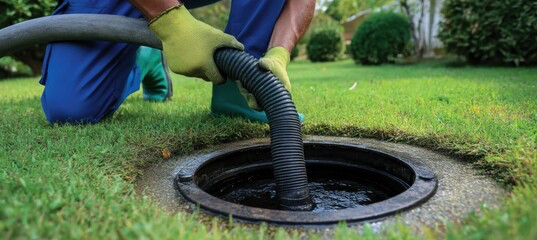
Septic Tank Cleaning

Owning a home with a septic system comes with important maintenance responsibilities, and one of the most essential tasks is regular septic tank cleaning. While many homeowners recognize that cleaning helps keep the system operating efficiently, some wonder whether it is truly necessary or if it can be postponed to save money. Like any maintenance service, septic tank cleaning has both advantages and considerations that should be understood before creating a long-term maintenance plan.

Evaluating the septic tank cleaning pros and cons allows homeowners to make informed decisions that protect their property and avoid unnecessary expenses. A better understanding of the process from The Septic Guys helps homeowners recognize why preventive maintenance is generally recommended over reactive repairs.

What Is Septic Tank Cleaning?

Septic tank cleaning is the process of removing accumulated sludge, scum, and wastewater from a septic tank using specialized equipment. As wastewater enters the tank, heavy solids settle at the bottom while grease and lighter materials float to the surface. Between these layers, partially treated wastewater flows into the drain field for additional filtration. Over time, the sludge and scum layers continue to grow until they begin reducing the tank’s available capacity. Cleaning removes these materials and restores normal operating conditions.

Many people confuse septic tank cleaning with septic pumping because both involve removing waste from the tank. In many situations, the services are performed together, although some cleaning appointments may include a more detailed inspection of the tank and its components. During maintenance, technicians can evaluate the condition of the system and identify potential concerns before they become major repairs. Routine service provides valuable information about the overall health of the septic system. Preventive maintenance helps support reliable long-term performance.

What Are the Pros of Septic Tank Cleaning?

The biggest advantage of septic tank cleaning is that it helps maintain efficient wastewater treatment. Removing accumulated sludge gives the tank enough space to separate solids, grease, and liquid waste as designed. This reduces stress on the drain field and helps wastewater flow through the system more effectively. A properly maintained septic tank is less likely to experience slow drainage, unpleasant odors, or sewage backups. Regular cleaning also supports the beneficial bacteria that naturally break down organic waste inside the tank.

Another important benefit is the potential for significant long-term savings. Routine cleaning helps prevent expensive repairs that may result from neglected maintenance, including clogged drain fields, damaged pipes, and septic backups inside the home. Scheduled maintenance also provides opportunities to identify worn or damaged components before they fail completely. Small repairs are often much more affordable than replacing major sections of the septic system. Preventive care protects both the system and the homeowner’s budget.

What Are the Cons of Septic Tank Cleaning?

The primary disadvantage of septic tank cleaning is the ongoing maintenance cost. Homeowners must schedule regular service based on household size, tank capacity, and wastewater usage, even if the system appears to be functioning normally. Although the cost is generally manageable, some homeowners may view routine maintenance as an unnecessary expense when no obvious problems exist. However, postponing service often increases the likelihood of more expensive repairs later. Maintenance should be viewed as an investment rather than an avoidable cost.

Another consideration is the temporary inconvenience associated with scheduling the service. Technicians require access to the septic tank, which may involve locating buried access lids or moving outdoor furniture, landscaping materials, or vehicles. During the appointment, homeowners may notice minor odors around the tank while waste is being removed. Fortunately, these inconveniences are typically short-lived and disappear once the service is complete. Most cleaning appointments are completed efficiently with minimal disruption to daily life.

How Does Regular Cleaning Compare With Waiting Until Problems Occur?

Waiting until problems appear may seem like a way to save money, but it often leads to greater expenses in the long run. As sludge continues accumulating inside the septic tank, wastewater has less room to separate properly before entering the drain field. This increases the risk of solid waste leaving the tank and clogging the soil where wastewater should be safely filtered. Once drain field damage occurs, repairs can become complex and costly. Preventive maintenance greatly reduces this risk.

Routine cleaning allows homeowners to address small concerns before they become emergencies. Technicians can identify cracked lids, damaged baffles, excessive sludge accumulation, or other developing issues during scheduled maintenance visits. Early detection often allows repairs to be completed before they affect the rest of the septic system. Emergency service usually costs more than planned maintenance and may require immediate repairs under stressful conditions. Regular care provides greater peace of mind.

How Does Septic Tank Cleaning Protect the Drain Field?

One of the greatest long-term benefits of septic tank cleaning is protecting the drain field from unnecessary damage. The drain field is responsible for filtering partially treated wastewater after it leaves the septic tank. When excessive sludge enters the drain field, it can block the surrounding soil and reduce its ability to absorb wastewater effectively. This may result in standing water, sewage odors, or complete drain field failure. Keeping solids inside the septic tank protects this important part of the system.

Replacing a damaged drain field is often one of the most expensive septic repairs a homeowner can face. Excavation, soil replacement, and system reconstruction may all be required depending on the extent of the damage. Routine cleaning significantly reduces the chance of these costly failures by maintaining proper waste separation inside the tank. Protecting the drain field extends the lifespan of the entire septic system. Preventive maintenance supports long-term reliability.

How Can Homeowners Maximize the Benefits of Septic Tank Cleaning?

Regular cleaning delivers the greatest value when combined with responsible everyday septic system habits. Conserving water helps prevent the septic tank from becoming overloaded before solids have time to settle properly. Repairing plumbing leaks, spacing out laundry loads, and using water-efficient fixtures all reduce unnecessary stress on the system. Responsible water use supports healthy wastewater treatment inside the tank. Small adjustments can make a noticeable difference over time.

Proper waste disposal is equally important for maintaining septic system performance. Cooking grease, disposable wipes, paper towels, hygiene products, and other non-biodegradable materials should never be flushed because they increase sludge accumulation and may cause blockages. Limiting harsh chemical cleaners also helps preserve the beneficial bacteria responsible for breaking down waste naturally. Combining good household habits with scheduled cleaning creates the best conditions for long-term septic system health. Consistent care helps maximize the return on every maintenance visit.

Is Septic Tank Cleaning Worth It?

For most homeowners, the advantages of septic tank cleaning far outweigh the temporary inconveniences and routine maintenance costs. Regular service helps preserve system performance, reduce emergency repairs, protect the drain field, and extend the life of the septic tank. Although cleaning requires periodic scheduling and financial planning, it remains one of the most cost-effective ways to maintain a private wastewater system. Preventive maintenance supports reliable operation for many years. The long-term benefits generally exceed the short-term commitment.

Homeowners who consistently maintain their septic systems often experience fewer plumbing problems and lower overall ownership costs. A well-maintained septic system also contributes to property value by demonstrating responsible maintenance and reducing concerns about hidden wastewater issues. Investing in regular cleaning helps protect both the home’s infrastructure and the surrounding environment. Reliable maintenance provides lasting value throughout the life of the system. Consistency is the key to long-term performance.

Final Thoughts

Understanding the septic tank cleaning pros and cons helps homeowners make informed decisions about maintaining their wastewater systems. While routine cleaning involves periodic costs and minor inconvenience, the benefits include improved performance, fewer repairs, drain field protection, longer system life, and greater peace of mind. Waiting until problems develop often results in significantly higher repair expenses and unnecessary disruption. By following a regular maintenance schedule and practicing responsible septic system care, homeowners can protect their investment while keeping their wastewater system operating efficiently for many years.

The Future of Landscaping in Shaping Modern Living

Landscaping begins with the idea of creating harmony between people and their surroundings. A simple yard can transform into a meaningful place when design and purpose blend. It is no longer about grass and flowers but about creating spaces that add value to daily life. The future of landscaping is moving toward thoughtful innovation.

Landscaping

Designing outdoor areas now considers more than just looks. People are shifting toward landscapes that serve practical functions while still being beautiful. Spaces are being created to support relaxation, play, and productivity. This evolution highlights how important landscaping has become in shaping lifestyles.

A key trend emerging is multifunctional landscaping. Yards are now expected to provide entertainment, wellness, and sustainability benefits. Gardens may include areas for meditation, cooking, or exercising. The design becomes a reflection of changing priorities in modern living.

Sustainability is no longer optional in landscaping. Water efficiency, soil health, and eco-friendly plant choices are gaining importance. People are looking for ways to reduce environmental impact while maintaining beauty. This approach balances responsibility with aesthetics.

The rise of smart technology is also influencing landscaping. Automated irrigation, soil sensors, and lighting systems are being integrated. These tools save resources and reduce effort while improving outcomes. Technology is making landscapes more responsive to individual needs.

Landscaping is also becoming a tool for climate resilience. Plant selection and layout are being tailored to withstand extreme weather. Materials are chosen to manage heat, rain, or drought effectively. This proactive approach strengthens the role of landscapes in community well-being.

Edible landscaping is gaining attention as people value food security. Lawns are being replaced with fruit trees, herbs, and vegetables. The result is beauty with purpose, blending function with appeal. Growing food in designed spaces adds a deeper sense of connection.

Wellness-driven landscapes are also reshaping outdoor design. Spaces are being created to encourage calmness and mental clarity. Soft textures, natural colors, and sensory elements like sound and scent are included. These designs nurture the mind as much as the body.

Another development is adaptive landscaping. Designs are made flexible to evolve as needs change. Outdoor furniture, modular layouts, and convertible spaces make it easier. This adaptability ensures longevity and relevance for years to come.

Night landscaping is being redefined with creative lighting. Beyond security, lighting now emphasizes mood and character. Soft illumination highlights textures and pathways, making spaces feel alive. It allows landscapes to remain useful and attractive after sunset.

The concept of biodiversity-friendly design is also growing. Landscapes now support pollinators, birds, and small wildlife. Planting choices create microhabitats that benefit ecosystems. This makes outdoor spaces part of a broader ecological network.

Artistic landscaping is blurring the line between garden and gallery. Sculptures, installations, and creative structures are incorporated into spaces. Every element is curated to express individuality. These landscapes are as much about storytelling as they are about function.

Minimalist landscaping has also carved its place in modern trends. Simple layouts with purposeful elements create elegance. Instead of clutter, focus is placed on balance and flow. This approach reduces maintenance while enhancing serenity.

At the same time, maximalist designs are also making a comeback. Bold colors, layered plantings, and dramatic features create impact. These landscapes celebrate abundance and creativity. The diversity of styles shows how landscaping adapts to personality.

Climate-adaptive materials are now key in outdoor construction. Permeable surfaces reduce flooding and heat buildup. Recycled elements make landscapes sustainable and innovative. These choices make outdoor spaces durable and future-proof.

Vertical landscaping is transforming how limited spaces are used. Walls become gardens filled with greenery and texture. These living walls improve air quality and reduce heat. They also create stunning visuals in urban areas.

Seasonal adaptability is another factor in modern design. Landscapes are curated to evolve with each season. Colors, textures, and plantings shift throughout the year. This dynamic approach ensures variety and continual engagement.

Outdoor soundscaping is also being explored. Water features, rustling plants, and acoustic designs influence mood. These auditory elements enhance the sensory depth of landscapes. A yard becomes more immersive when sound is intentional.

Playful landscapes are being integrated for intergenerational use. Spaces accommodate children, adults, and the elderly together. Inclusive features like sensory gardens and safe play areas matter. The result is a shared environment for all ages.

Resilient landscaping also includes fire-wise and storm-ready planning. Materials and layouts minimize risks from natural disasters. Landscaping becomes a protective layer for properties and communities. Safety now coexists with aesthetics.

Cultural storytelling is making landscapes more meaningful. Elements are added to reflect traditions, values, or personal heritage. Every stone, plant, or path can symbolize a story. This makes outdoor design intimate and personal.

Water-sensitive landscaping is gaining relevance as resources grow scarce. Innovative irrigation, rain gardens, and collection systems are applied. These reduce waste while sustaining plant life. The landscape becomes a responsible steward of natural resources.

Biophilic landscaping continues to connect people with nature. It draws inspiration from natural patterns, textures, and shapes. Designs create environments that feel familiar and nurturing. This reduces stress and enhances happiness.

Temporary and event-based landscapes are also emerging. Spaces are designed to host gatherings, markets, or performances. Afterward, they transform back into everyday use. Flexibility defines this modern approach.

The future of landscaping also embraces digital design. Virtual reality helps visualize spaces before they are built. This improves decision-making and creativity. Technology is bridging imagination with implementation.

Another fascinating shift is in nighttime biodiversity landscapes. Lighting is designed to avoid disrupting nocturnal creatures. Plants and layouts consider natural rhythms. The landscape becomes part of a larger environmental harmony.

Landscaping is also being shaped by climate-positive planting. Designs focus on carbon absorption and soil restoration. Trees and groundcovers are chosen for environmental benefits. This transforms landscapes into tools for global well-being.

Therapeutic landscapes are being explored for healing. Hospitals, communities, and homes now include spaces for recovery. Plant choices, pathways, and seating are curated to soothe. These landscapes serve both health and hope.

Experimentation with textures and forms is also increasing. Unconventional plants and materials create contrast and depth. The result is a landscape that excites curiosity. It moves away from tradition while sparking inspiration.

Interactive landscapes are also on the rise. Visitors are encouraged to touch, taste, and experience. Every corner offers an opportunity for engagement. This turns outdoor design into a living experience.

Landscaping is also becoming a medium for personal identity. Choices in plants, colors, and layout reflect values. Every design becomes a mirror of the owner’s personality. This personalization makes landscapes deeply authentic.

The economic side of landscaping is also being recognized. Well-designed outdoor areas increase property value. They make communities more attractive and livable. This reinforces landscaping as an investment, not just an expense.

Globalization of design ideas is reshaping landscaping diversity. People are experimenting with influences from various traditions. Yet each design adapts to local conditions and needs. This mix creates unique and hybrid outdoor identities.

Landscaping is also taking inspiration from futuristic design. Geometric shapes, innovative lighting, and metallic accents are applied. This creates bold, cutting-edge outdoor aesthetics. The landscape becomes a symbol of progress.

Restorative landscaping for damaged areas is also emerging. Spaces once neglected are being reimagined with greenery. Nature is used to heal scars of urbanization. This movement highlights renewal and regeneration.

Psychological landscaping is being studied for mood impact. Colors, shapes, and plant arrangements influence emotional states. Landscapes are now designed with mental health in mind. This approach combines science with creativity.

The role of water in landscaping is evolving too. Beyond fountains and ponds, dynamic water features are created. Cascades, misting systems, and reflective pools redefine interaction. Water becomes art as much as function.

Inclusive landscapes are being prioritized for accessibility. Paths, seating, and features are designed for everyone. This ensures outdoor spaces welcome people with diverse abilities. It makes landscaping socially responsible.

The connection between indoor and outdoor spaces is also shifting. Transitional areas like courtyards and open terraces are emphasized. They blur boundaries and extend living spaces outward. This strengthens the bond between home and nature.

Landscaping is also embracing experimentation with light and shadow. Structures and plantings are arranged to create natural patterns. These elements shift throughout the day with the sun. The effect brings movement and rhythm to spaces.

Another emerging idea is digital gardening within landscapes. Screens and projections integrate art with nature. These create immersive outdoor storytelling experiences. Technology and plants blend in surprising ways.

Future landscapes may even become self-sustaining ecosystems. Automated systems, renewable energy, and natural cycles integrate seamlessly. Spaces operate with minimal external input. This creates independence and resilience.

Landscaping continues to be a living art form. It evolves with culture, technology, and environmental needs. Every design tells a story while shaping the way people live. The future of landscaping is both creative and essential.

Navigation